
-
 Online exhibition · 1959
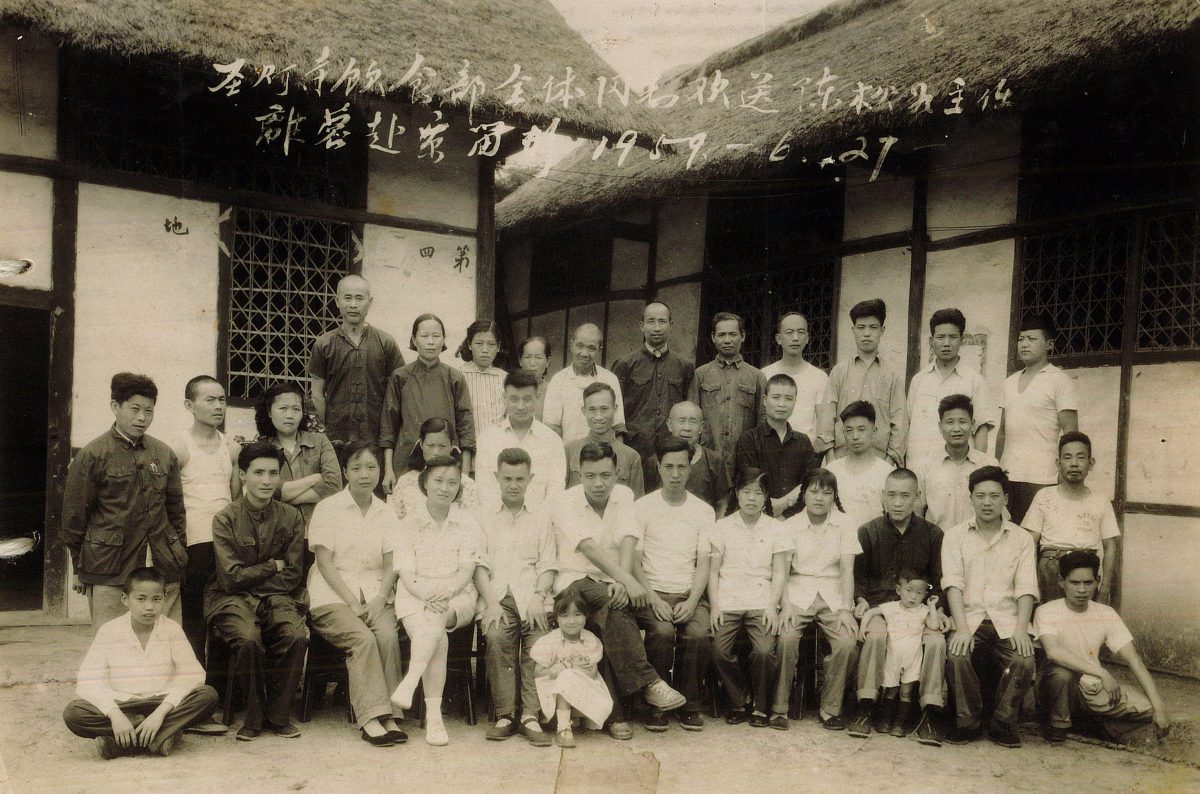
1959: Sichuan Cuisine Comes to BeijingOne man’s 1959. At the start of the year, he was still Director Chen of the Shengdeng Temple branch store in Chengdu; by that autumn, he had walked into the kitchens of Zhongnanhai to cook for Mao Zedong. A chronological timeline walks you through that year step by step — farewell, the journey north, the trial dinner, the opening, and a lantern chicken remade overnight.Enter the Exhibition →
Online exhibition · 1959
1959: Sichuan Cuisine Comes to BeijingOne man’s 1959. At the start of the year, he was still Director Chen of the Shengdeng Temple branch store in Chengdu; by that autumn, he had walked into the kitchens of Zhongnanhai to cook for Mao Zedong. A chronological timeline walks you through that year step by step — farewell, the journey north, the trial dinner, the opening, and a lantern chicken remade overnight.Enter the Exhibition →
-
 Online exhibition · Manuscript
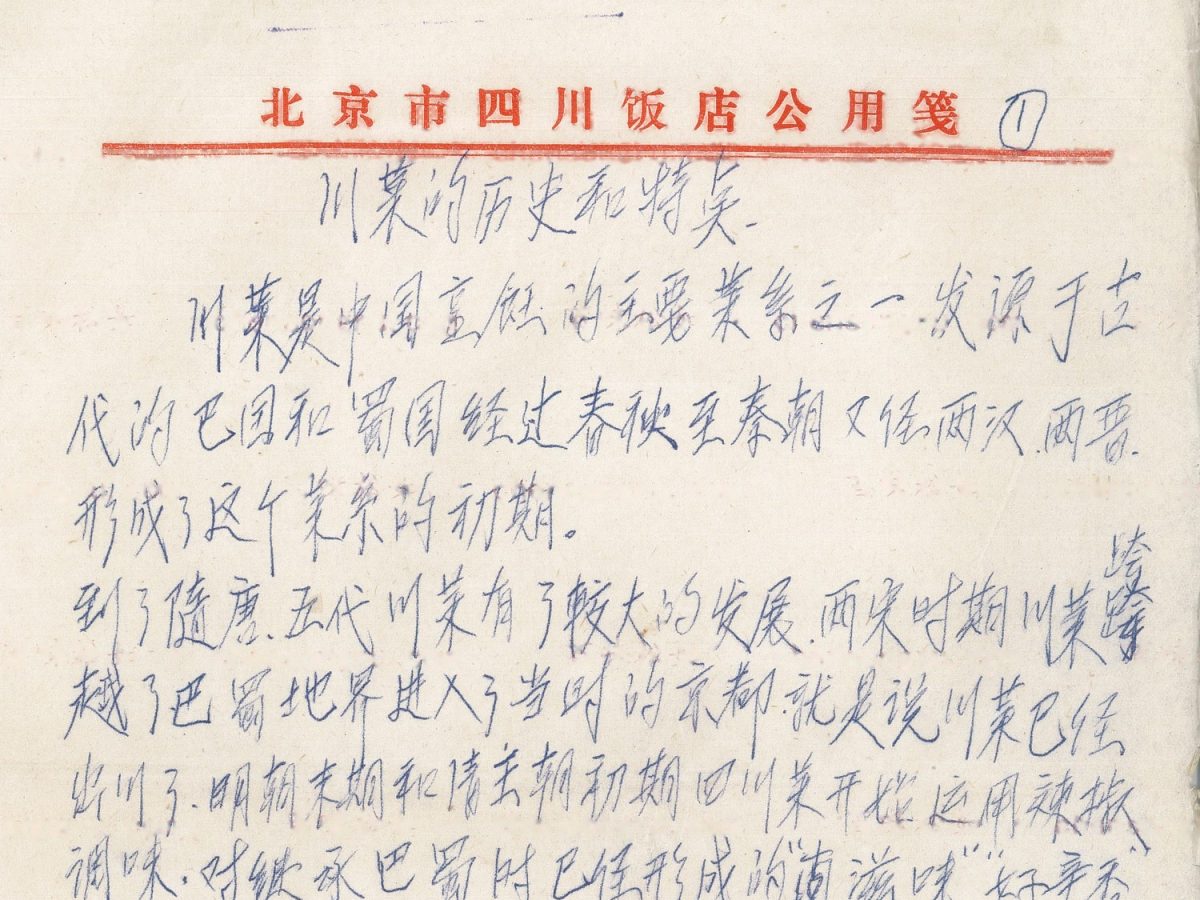
37 Pages: The Sichuan Cuisine He Wrote by HandThe first public release of Chen Songru’s complete 37-page fair copy of “The History and Characteristics of Sichuan Cuisine,” written in his own hand. From the origins in ancient Ba and Shu, through the four categories of dishes and the five defining traits, to the original source of “eleven hot-dish and twelve cold-dish flavor profiles,” and on to the histories and recipes behind mapo tofu and Lai’s tangyuan — a craftsman writing the biography of his own cuisine on letterhead paper.Enter the Manuscript Exhibition →
Online exhibition · Manuscript
37 Pages: The Sichuan Cuisine He Wrote by HandThe first public release of Chen Songru’s complete 37-page fair copy of “The History and Characteristics of Sichuan Cuisine,” written in his own hand. From the origins in ancient Ba and Shu, through the four categories of dishes and the five defining traits, to the original source of “eleven hot-dish and twelve cold-dish flavor profiles,” and on to the histories and recipes behind mapo tofu and Lai’s tangyuan — a craftsman writing the biography of his own cuisine on letterhead paper.Enter the Manuscript Exhibition →
-
 Online exhibition · 1982
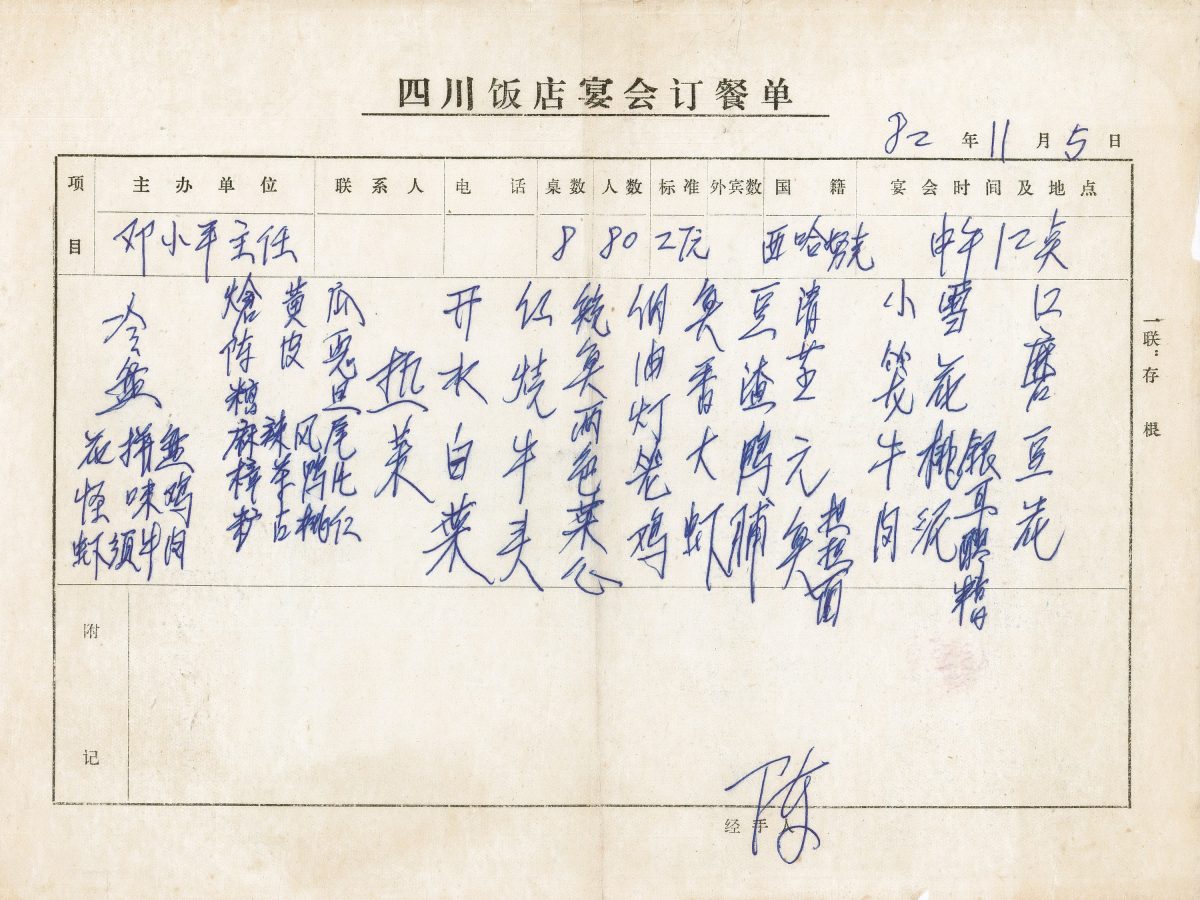
1982: One Banquet, Two MenusOn 5 November 1982 Deng Xiaoping hosted Prince Sihanouk’s sixtieth-birthday banquet at Beijing’s Sichuan Restaurant. Chen Songru’s two handwritten draft menus are published for the first time and read dish by dish against the restaurant’s order-form stub: five sculpted platters shrink to a single line, the soft-shell turtle changes its name, and the longevity peaches never make it onto the form. One is the head chef’s plan; the other, the restaurant’s execution.Enter the exhibition →
Online exhibition · 1982
1982: One Banquet, Two MenusOn 5 November 1982 Deng Xiaoping hosted Prince Sihanouk’s sixtieth-birthday banquet at Beijing’s Sichuan Restaurant. Chen Songru’s two handwritten draft menus are published for the first time and read dish by dish against the restaurant’s order-form stub: five sculpted platters shrink to a single line, the soft-shell turtle changes its name, and the longevity peaches never make it onto the form. One is the head chef’s plan; the other, the restaurant’s execution.Enter the exhibition →
-
 Online exhibition · 1987
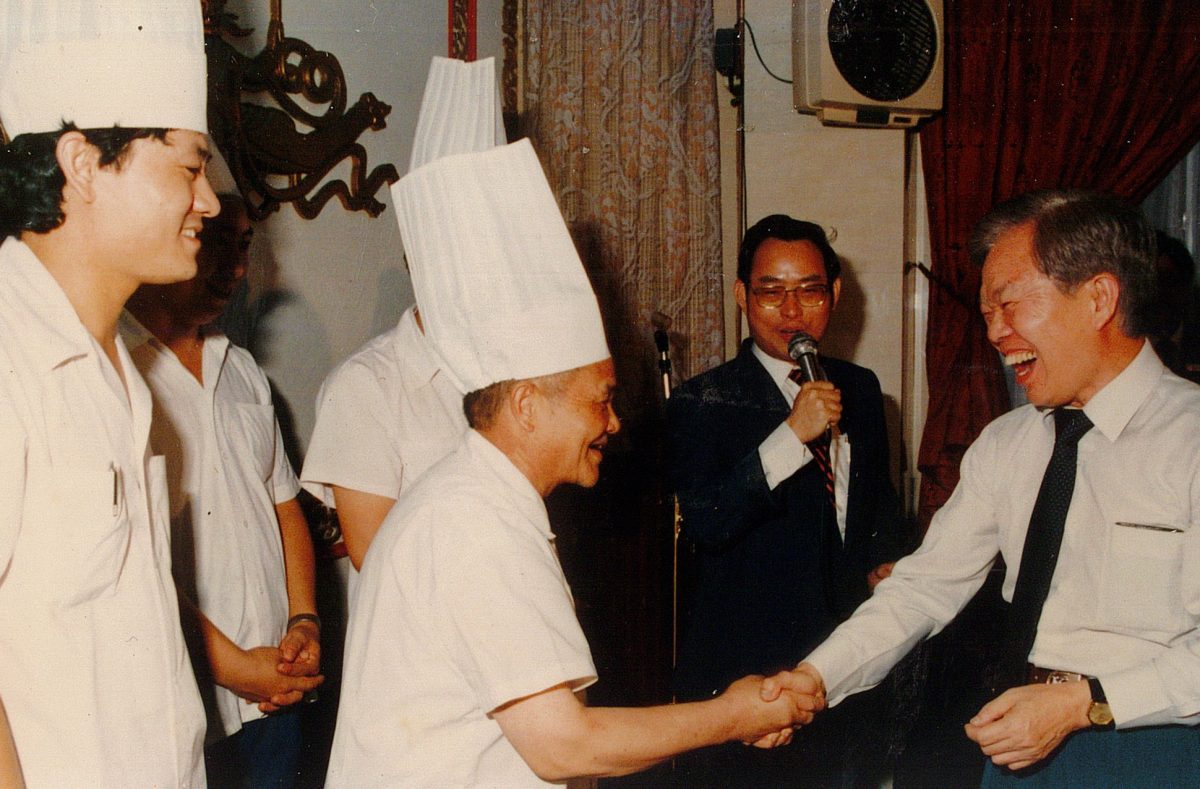
21 Days in Singapore: The 1987 FootageA videotape sealed away for more than three decades has been digitally restored and released for the first time: a full record of the venue, the kitchen, and the ceremonies of the 1987 Singapore “State Banquet of Sichuan Cuisine” — from a tour of the venue and behind-the-scenes kitchen footage to guest speeches and the closing toast. Moving footage, at last, for the chapter the still photographs could not fully tell.Enter the Video Exhibition →
Online exhibition · 1987
21 Days in Singapore: The 1987 FootageA videotape sealed away for more than three decades has been digitally restored and released for the first time: a full record of the venue, the kitchen, and the ceremonies of the 1987 Singapore “State Banquet of Sichuan Cuisine” — from a tour of the venue and behind-the-scenes kitchen footage to guest speeches and the closing toast. Moving footage, at last, for the chapter the still photographs could not fully tell.Enter the Video Exhibition →
-
 Online exhibition · 1991
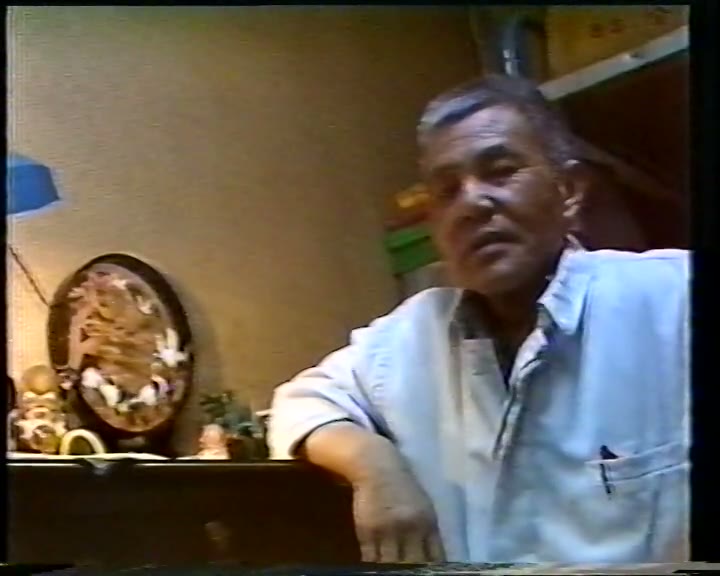
1991: What Was on His MindIn May 1991 the Party branch of the Sichuan Restaurant made a seven-minute-thirty-three-second film about him, High in Skill, Higher Still in Character. The tape then sat in a cupboard for more than thirty years. At 4:16 he speaks for himself: “I have worked at the Sichuan Restaurant for decades and feel deeply attached to it… so that the craft of Sichuan cooking is passed down, one generation to the next.” It is one of only two recordings in which his own voice can be heard.Enter the Video Exhibition →
Online exhibition · 1991
1991: What Was on His MindIn May 1991 the Party branch of the Sichuan Restaurant made a seven-minute-thirty-three-second film about him, High in Skill, Higher Still in Character. The tape then sat in a cupboard for more than thirty years. At 4:16 he speaks for himself: “I have worked at the Sichuan Restaurant for decades and feel deeply attached to it… so that the craft of Sichuan cooking is passed down, one generation to the next.” It is one of only two recordings in which his own voice can be heard.Enter the Video Exhibition →
Chen Songru(1921–1993)
Food reveals character —
if the heat isn’t right, don’t serve it;if the heart isn’t sincere, it’s not a dish.
Chen Songru (1921–1993), born in Ziyang, Sichuan, left home at twelve to learn cooking. In 1959, at the direction of Premier Zhou Enlai, he went to Beijing to establish the Beijing Sichuan Restaurant and served as its first head chef. He entered Zhongnanhai three times to cook for Mao Zedong, served Zhou Enlai, Zhu De, Chen Yi, and numerous foreign dignitaries for over thirty years. In 1992 he received the Oriental Cuisine Annual Honor from the World Master Chefs Association.
This site is an independent, non-profit digital archive and online exhibition, researching how Chen Songru and 20th-century Sichuan cuisine journeyed from local restaurants to state banquets, public publication, and cross-border exchange.
Six Objects · Three Minutes
Short on time? Start with these six — four facets of the archive, each with its own evidence and story.
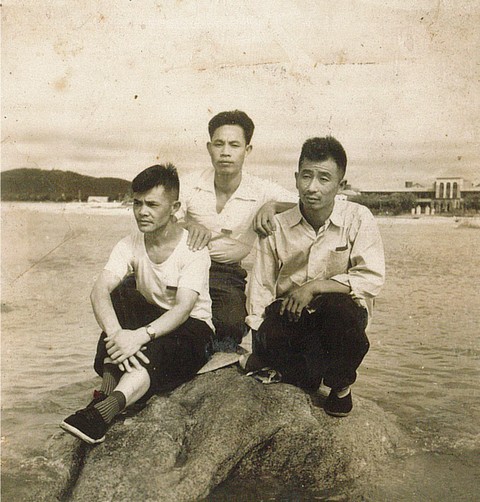
A "Ten-Day Beidaihe Vacation," as a Reward
Original caption: after Chen Songru cooked for Mao Zedong in Zhongnanhai for the first time, he received a "ten-day vacation at Beidaihe" as a reward. A chronological timeline walks through this year’s departure, journey north, trial dinners, and opening.
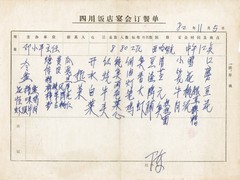
An Order Form, Physical Evidence of a State Banquet
On November 5, 1982, Deng Xiaoping hosted a seven-table banquet at the Beijing Sichuan Restaurant for Prince Sihanouk’s 60th birthday. Chen Songru’s own handwritten draft menu, together with the restaurant’s actual order form, reconstruct the complete menu and craft behind that banquet.
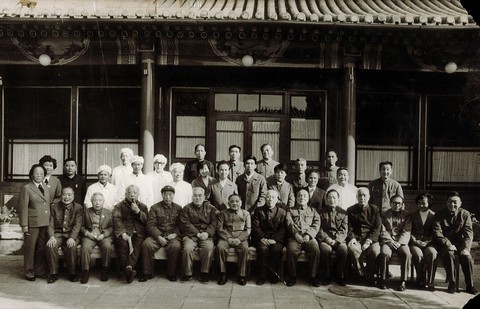
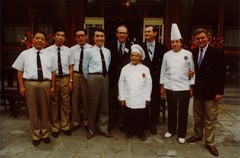
A Group Photo, and a Day No One Can Quite Place
This photo of Deng Xiaoping, Yang Shangkun, and Beijing Sichuan Restaurant staff — the people in it, family members have confirmed one by one. But exactly when or on what occasion it was taken, no one can say for certain anymore. This site honestly labels it “undated” rather than inventing an answer.
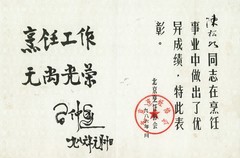
A Certificate Signed by Xi Zhongxun
A January 1986 honor certificate from the Beijing Culinary Association, signed — the family confirms — by Xi Zhongxun. The full life timeline holds more details like this one, each tagged by evidence strength, contradictions left in plain view.
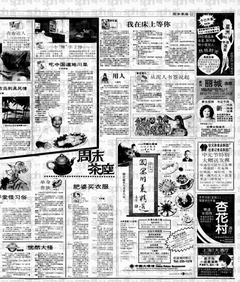
A Stack of Old Newspapers, State-Banquet Sichuan Cuisine in Singapore
"Eating Authentic Chinese Sichuan Cuisine," from the Weekend Teahouse column, page 11 of Singapore’s Sin Ming Daily, August 22, 1987 — a newspaper-page image from the National Library Board’s NewspaperSG database, one more piece of physical evidence the 21-day tour left behind in the foreign press.
A Dish of Mapo Tofu, on the Day of His Highest Honor
In 1992 he received the World Master Chefs Association’s Oriental Cuisine Annual Honor. On camera, he didn’t cook his signature showpiece dish — he made mapo tofu, the most ordinary home-style dish there is.
Guided Routes
Choose a route based on who you are — every stop is clickable.
Nine gateways into the world of an old-school craftsman
This archive is compiled from the authorized biographical manuscript Songfeng Ruren, Chen Songru’s own autobiography, family accounts, writings by his disciples, and independent media reports, organized along four threads: Memorial — Craft — Wisdom — Lineage.
A heart without selfishness makes heaven and earth wide.
On January 16, 1993, Chen Songru, after his usual morning work, suffered a sudden heart attack while walking near the Sichuan Restaurant and passed away at age 71 (the obituary’s “aged 72” counts in the traditional Chinese way). A memorial service was held at Beijing’s Babaoshan. These words are inscribed on his tombstone.
Words recorded in the manuscript
These quotations are all transcribed from the biography manuscript Songfeng Ruren. No original recording or document is available to check them against, and quoted dialogue may have been literarily polished by the author; “a master’s admonition” and the like are words said to him, not by him.
A steady hand and a calm heart — only then can you taste the true nature of an ingredient.
— Admonition from his master Zhou Guangting, internalized by Chen Songru for life
“Faced with such a complex mix of people, the attitude I took was neither too close nor too distant, neither too familiar nor too cold. Everything must be considered carefully from the perspective of the work.”
Handling kitchen faction disputes · Ch. 13 §1
“Take this bowl of noodles to the Premier. And quietly, add a little plain water to the Premier’s wine glass.”
Quietly diluting Zhou Enlai’s wine · Ch. 7 §2
“It’s nothing, just a little cold. There’s no need to make a fuss.”
His last words to his family · Ch. 12 §9 · Character flaw, not saintly narrative
“This apron — Tinglong will wear it one day.”
To his wife Jiang Mingshu, later relayed to his eldest son · The Chen Kitchen Ch. 2 §2
“Tinglong, remember: you must master the chopping board. Seven parts chopping, three parts fire — skill lives on the board.”
Teaching his eldest son · The Chen Kitchen Ch. 3 §4